
The Yearly Cycle - Fishing Galveston Bay Through the Seasons
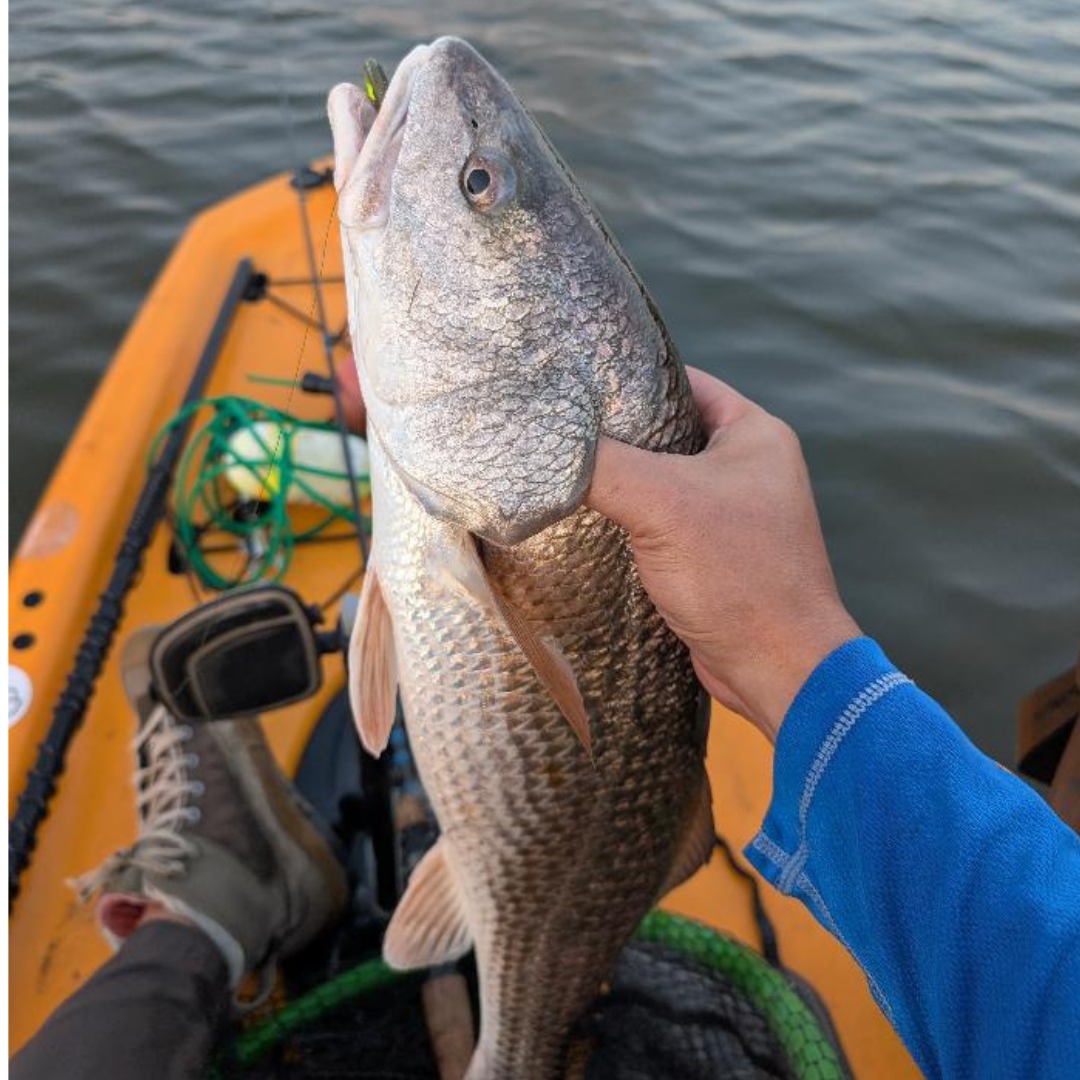
Our first cold front is here in Houston. The lower temperatures not only bring a permanent respite from the blazing summer heat, but also a new pattern for anglers to enjoy. As the cold fronts move through, the winds push water out of the bay, emptying the back marshes. This in turn flushes out the shrimp that have been hiding in relative safety. With all the new abundance of food, and the trout, redfish, and flounder's biological clocks telling them to fatten up for the winter, you have one of the best times to fish.
This may be a human byproduct of finding patterns when there may be none, but in my experience, where I fish is completely cyclical. When I worked at Academy, FTU, or Dicks Sporting Goods, the most common question I got was “where should I go fish?” My response is always different based on the seasons. It even varies within the seasons and could change week by week based upon my experiences. In general though, here's a breakdown of my answer.
As a caveat, this isn’t supposed to be a definitive, end-all-be-all answer. This is based solely on my own experiences. One of the great and worst things about fishing is the variables it presents and how there are exceptions to everything. On days when it looks like the topwater bite might be amazing, you’ll come back with just some half-hearted strikes and disappointment. Take this as an observation more than anything.
Fall in Galveston
When the temperatures start dropping, I typically leave my stomping grounds in Galveston proper and move on up to Upper Galveston Bay. It's a huge area that includes Chocolate Bay, Moses Lake and stretches to Clear Lake, Dickinson, La Porte, Baytown, and back towards Trinity Bay.
Especially the beginning of Fall when you have shrimp flooding out of the estuaries, these areas will be teeming with fish as they fatten up for the winter. Throughout the day, you may find birds working as fish push up shrimp. During these conditions, it may be cast after cast of non stop action. I've had 200 fish days of trout and ultimate grand slams of limits of trout, reds, and flounder. There have been days where every “fishy” location produces fish and where confidence runs high.
Why are the fish here? Shrimp. Lots and lots of shrimp. Each cold front flushes the back reaches of the marshes and gets shrimp and other species moving. Back in 2014, I was fishing the back corners of Clear Lake in my kayak. The shrimp were so thick back there that I had to stop and scoop out shrimp that had flipped their way into my kayak and in my back tankwell every half an hour or so.
Not only can you find fish on the open flats, but you'll find fish staged up at drains and openings going after shrimp pouring out of the back. They'll be stacked right up against the drain. Once the tide starts to slow, so will the bite. However, the fish will still be there. They're now just further away from the drain, sitting and waiting for their next easy meal..
Winter in Galveston
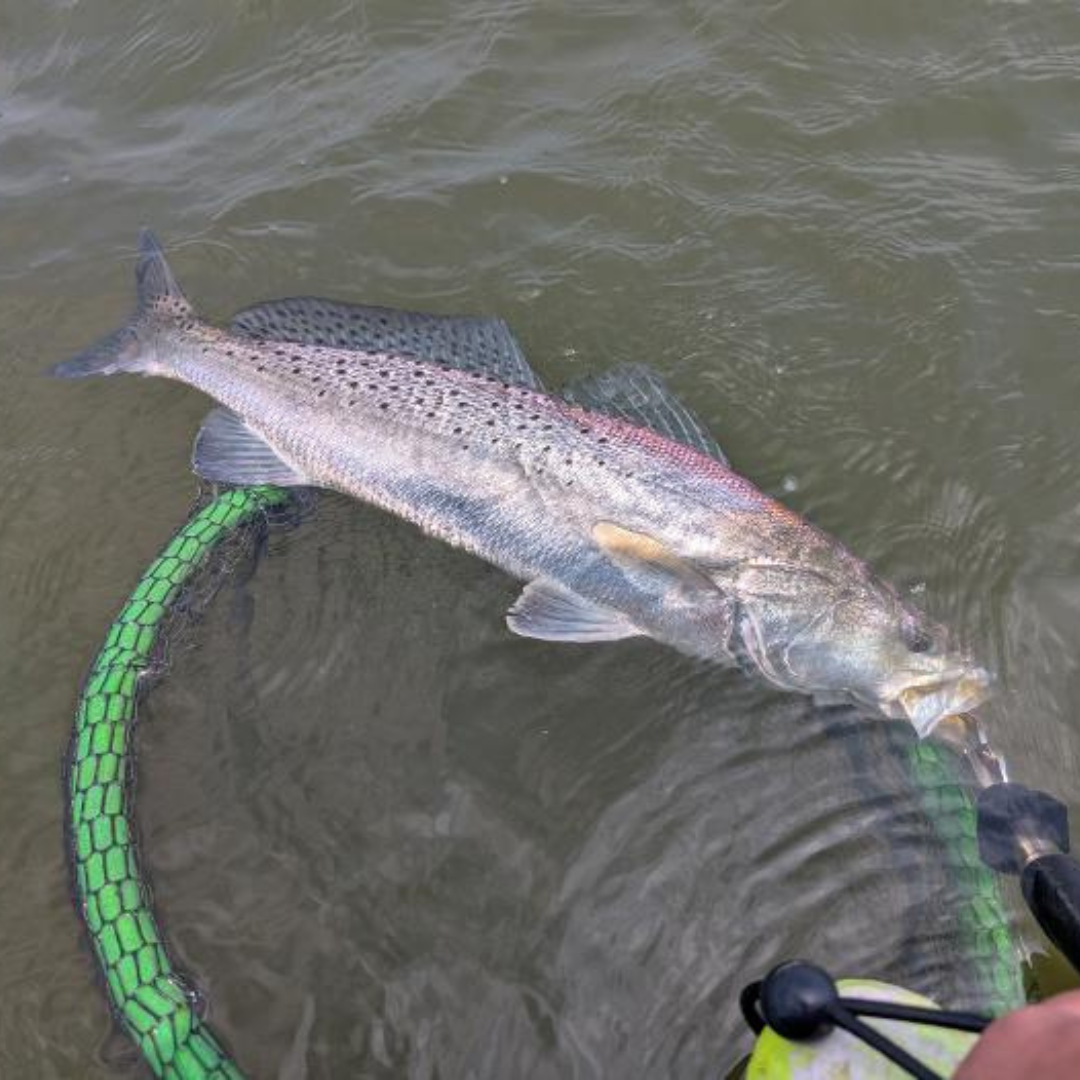
Once Winter rolls around, I'll be firmly entrenched in the upper parts of the bay. Areas like Baytown and La Porte are especially productive. The deep waters of the ship channels coupled with the mud and shell flats provide the perfect areas for amazing winter time fishing.
These are the times where quality fish can be had. My best stringers came from the cold snaps of December and January. We would find a reef and sit on the drop off. As the tide receded, we’d catch fish as they flowed off the reef. Hefty 3-5 pound trout were plentiful. On occasion you'll get your chance at those 7 pounders. And, if you played your cards right, you just might get that trophy 30 inch, 10 pound fish.
Depending on conditions, you may even push further upstream. The tributaries and creeks that feed into Galveston Bay are not only the lifeblood of the bay system, but are also the warmest. These areas are a winter haven for your trout, reds, and flounder. The waters here are typically warmer than the main channels. If it hasn't rained in a while, you may be able to venture further up into these creeks and tributaries and find pockets of fish, ready to be caught. As it warms up though, the patterns become sporadic and that's when I start going down the bay closer towards Galveston proper.
Spring in Galveston
Personally, Springtime is my least favorite time in Galveston. The transition between the amazing fishing during the winter to the inconsistent times in the spring contribute to this. Actually, that's the main reason.
When the fronts stop coming, I'm working my way back to Galveston. The first huge rain storms in March and April are my typical indicators. I go from the upper reaches of the bay to Dickinson, then Texas City, then back to Galveston proper, scoping out the grass flats of West Bay.
The weather and conditions are just as inconsistent as the fishing. One week, you'll have the Spring bull tides which brings some great red fishing as they push up into the flooded grass. The next week, you'll have a random cold front. The week after, you'll have sustained 20 mph winds from the south for the entire week. The only thing consistent is the inconsistent weather pattern.
This is another great time to find some big trout as they move around these grass flats. I remember a trip where I was poling around Sea Isle and found red fish in every pothole. I would cast past the pot hole, bring the bait through it, and the fish would suddenly appear as they flared their gills and inhaled my bait. On one cast at a pot hole, my bait disappeared as a fish rocketed from the edge. I thought it was another big red when it surfaced. I'm sure I had a look of excitement as the red turned into a monster trout as it shook its head. That look turned quickly into disappointment as my bait flew in a different direction.
Summer in Galveston
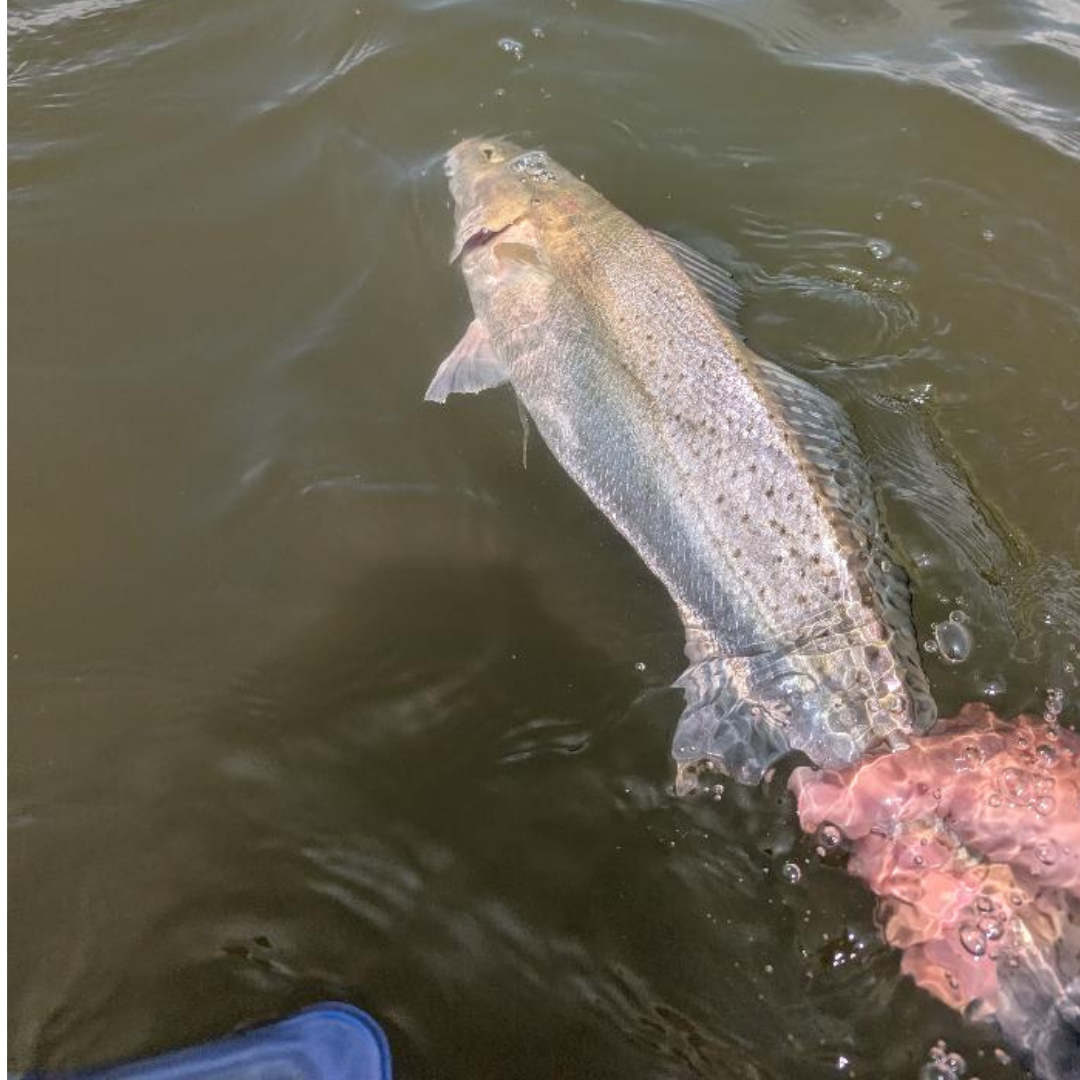
Summer in Galveston is basically me just moving around West Bay, Christmas Bay, Freeport, and trying to stay cool. The heat can be a bit stifling and I'm typically off the water by 10-11 AM. I start shallow in the early morning, then move to the deeper guts as the morning rolls on. There will be days you'll literally follow the fish from the grass to the gut or vice versa.
The areas around San Luis Pass can produce a consistent bite. There, I'm simply looking for a combination of shallow flats next to deep guts. If I can add in some shell or structure, even better. Each cove in West Bay is fair game, though each one has it’s own unique characteristics. While you can cove hop between multiple coves in a day and probably catch fish, each cove just fishes a bit differently.
Besides West Bay, the summer is when i’ll target the surf. It’s difficult to ignore a calm day on the beach. You’ll find some of the most aggressive fish you’ve ever seen, with even 15 inches fighting it out like they were 20 inchers.
The Cycle Continues
Breaking it down even further, the cycle I follow is this. Fall and Winter has me up on the upper parts of Galveston Bay. I’m romping around Dickinson, San Leon, Clear Lake, Seabrook, La Porte, Baytown, and even as far up as Anahuac. Once the waters warm back up, I return to Galveston and fish heavily on the island, as well as further South towards Christmas Bay and Freeport.
Every year I try my best to keep logs of what I'm doing and year after year, I find some modicum of success following it. There might be something to be said about staying safe and within the fishing box that I've built for myself, but that’s a different conversation. For now, i’ll stick with what I know, and catch fish.
